
THE STORY
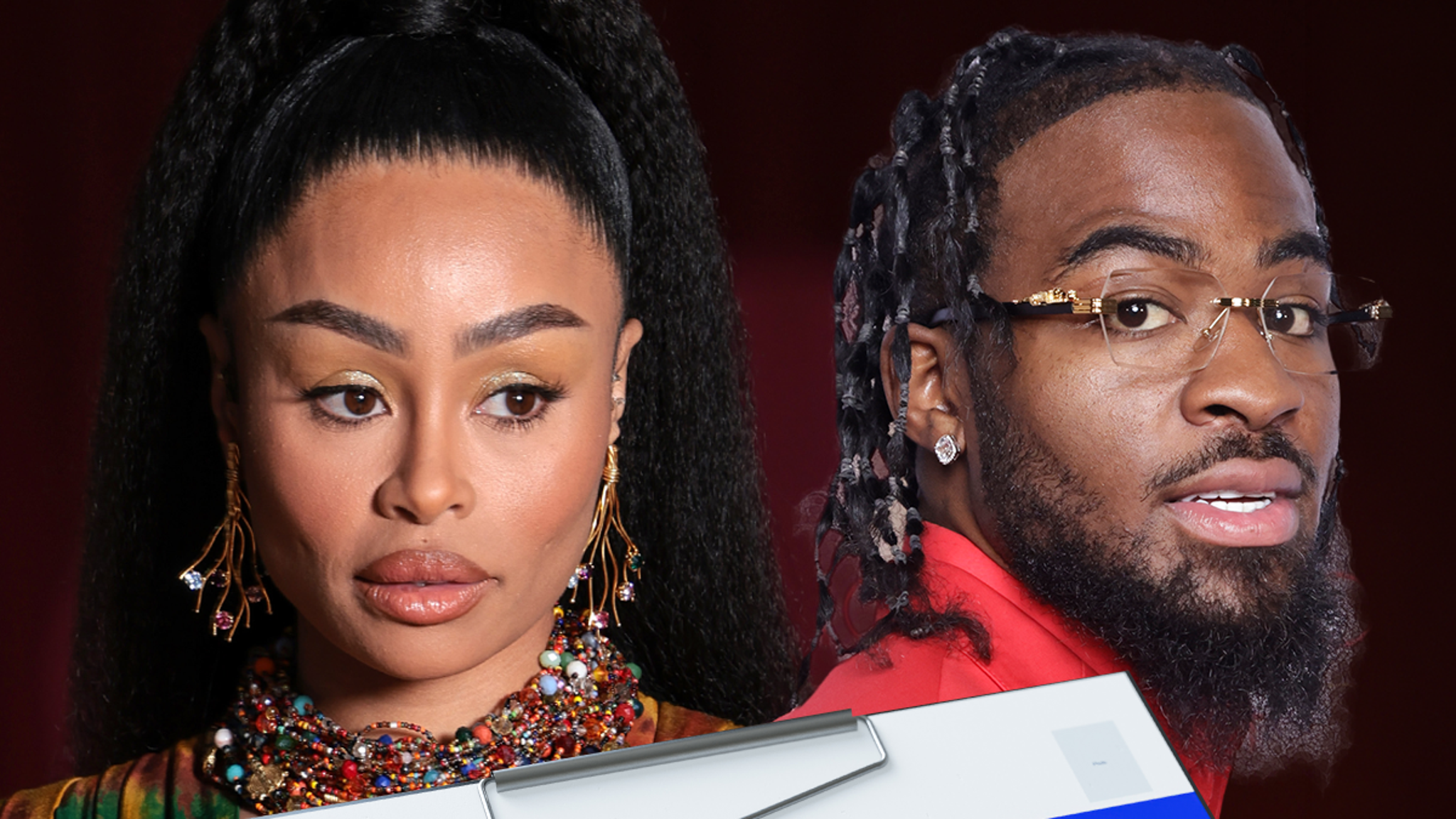
Rapper Big Boogie, a signee to Yo Gotti's Collective Music Group, could be on the hook for a portion of a staggering $76 million verdict, all linked to a deadly shooting incident at a Dallas concert he was scheduled to headline. The chilling event occurred in 2022 at the Second Annual Epic Easter Bike Out & Field Party in southern Dallas, an event that drew nearly 2,000 attendees seeking a day of trail riding, an Easter egg hunt, and a concert billed as family-friendly. Tragically, the festivities devolved into chaos when a fight broke out in the crowd, escalating into gunfire that tragically took the life of 26-year-old Kealon Gilmore, who was struck by a bullet to the head near the stage. At least eleven other individuals sustained gunshot wounds amidst the pandemonium.
Gilmore's family subsequently launched a lawsuit against the event's promoters, the venue, and every artist slated to perform, including Big Boogie, who is listed under his legal name as a defendant. The lawsuit's core argument centers on the alleged failure of organizers to provide advertised security measures, such as metal detectors, a ban on bags, and robust security personnel, none of which were reportedly in place. Dallas officials have confirmed that the gathering lacked a necessary city permit, and crucially, the off-duty police officers hired for security had departed the premises approximately 30 minutes before the shooting commenced, according to reports from WFAA.
Following the incident, Big Boogie issued a statement the very next morning, explicitly denying any involvement or presence at the venue when the gunfire began. This assertion has remained a cornerstone of his defense as the legal battle has stretched into 2026, casting a shadow over his career and recent releases. His latest album, 'Pain on Paper 4,' dropped in October 2025, continuing his momentum even as this significant legal case loomed.
CONTEXT
Big Boogie, born in Louisiana and raised between there and Tennessee, built his initial reputation in Memphis. His signing to Yo Gotti's Collective Music Group (CMG) in 2020 marked a significant step in his career. Prior to the deal, his single "Mental Healing" garnered millions of streams, paving the way for his subsequent projects and collaborations. He has since released albums like 'Underrated' and 'Definition of Big Dude,' and achieved platinum success with tracks like "Pop Out" and "BOP," featuring fellow artist GloRilla.
This unfortunate situation highlights the complex liabilities artists can face in relation to events they are booked for, even if they are not physically present at the time of an incident. The lawsuit’s focus on advertised security measures and the absence thereof underscores the responsibility promoters and venues hold. The scale of the judgment – $76 million – indicates the severity of the harm suffered by the victims and their families, and the potential financial repercussions for all parties involved in organizing and promoting such events, regardless of their direct involvement in the violent act itself.
INDUSTRY STAKES
The sheer magnitude of the $76 million judgment raises serious questions about promoter accountability and artist liability in the live music circuit. Promoters and artists alike are put on notice that failure to ensure adequate safety measures at events, particularly those drawing large crowds, can lead to devastating financial consequences. For Big Boogie and CMG, this verdict could mean a significant financial blow, potentially impacting future investments, touring, and the label's overall financial health. It also serves as a stark reminder that even when an artist's touring schedule or arrival time means they weren't physically present during an incident, their name and booking can still tie them to the fallout.
WHY IT MATTERS
This situation is a sobering reminder of the often-unforeseen risks associated with the live music industry. While Big Boogie was not present when the tragedy struck, the legal system has cast a wide net, potentially holding him and other artists responsible for the oversights of the promoters and venue. It’s a complex intersection of the artist's brand, contractual obligations, and the harsh realities of event safety, or lack thereof.
As this case progresses, it will be crucial to watch how the judgment is ultimately applied and whether Big Boogie is indeed required to contribute. Regardless of the outcome, it sets a precedent for how artists might be implicated in incidents occurring at events they are associated with, even indirectly. This underscores the need for meticulous vetting of promoters and venues by artists and their teams to mitigate such potentially career-altering legal and financial entanglements.
Reporting via AllHipHop. Read the original story here: https://allhiphop.com/news/rapper-big-boogie-could-owe-part-of-76m-judgement-over-shooting-at-show-he-never-made-it-to/